Scar Treatments at Idara Aesthetics using CO2 Fractional
Skin resurfacing and scar treatments with CO2 Fractional is a medically guided laser procedure that focuses on improving the surface and structure of the skin. It works by delivering targeted laser energy to specific areas of the skin, creating controlled micro-injuries that trigger the body’s natural healing response.
Through this process, new collagen is formed, damaged skin layers are gradually replaced, and overall skin texture becomes smoother. Because of its precision and depth, this procedure is widely used as a laser treatment for scars, particularly for patients with visible and long-standing skin concerns.
This treatment offers multiple benefits for individuals seeking noticeable skin improvement.
As a facial treatment for scars, it helps reduce acne scars, surgical marks, and uneven skin texture while also refining pores and improving skin tone. Many patients choose it as a laser treatment scar removal option because it targets damaged skin without affecting surrounding healthy tissue.
The CO2 fractional laser treatment is known for its ability to reach deeper layers of the skin, making it effective for moderate to severe concerns. It is commonly recommended as an acne scar laser treatment for patients who have not achieved desired results with topical or non-laser procedures.
Over time, this skin resurfacing laser treatment supports gradual skin renewal and long-term collagen stimulation.
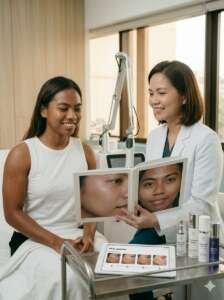
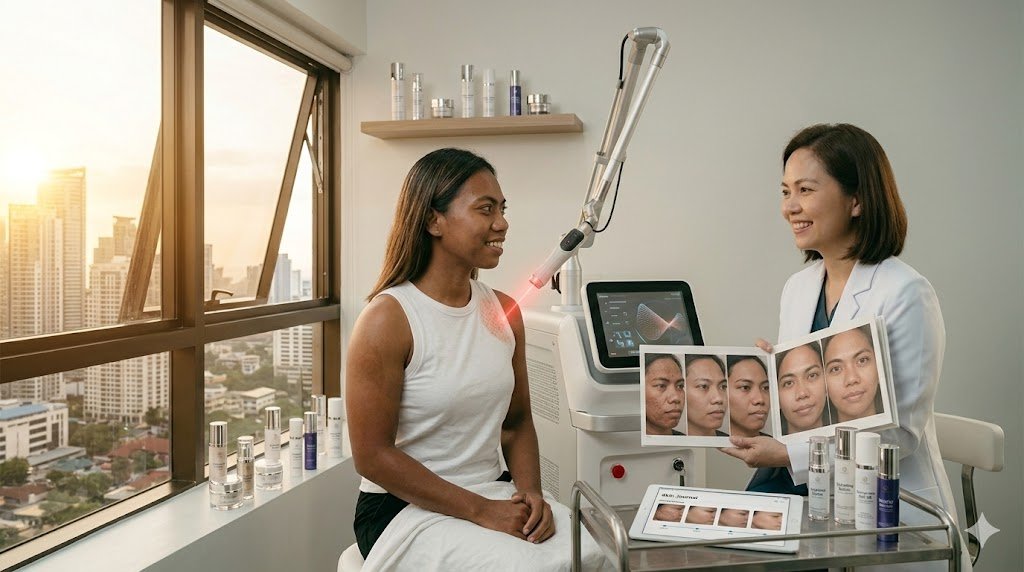
At Idara Aesthetics, skin resurfacing and scar treatments with CO2 Fractional are performed following careful skin assessment and individualized treatment planning. Each laser treatment for scars is adjusted according to skin type, scar depth, and recovery expectations.
Patients looking for CO2 Fractional laser treatment in the Philippines can expect professional care using modern laser technology in a clinical setting focused on safety and comfort. With proper guidance before and after the procedure, patients may experience progressive improvement in skin texture, clarity, and overall appearance.

How Skin Resurfacing with CO2 Fractional supports Scar Removal in the Philippines
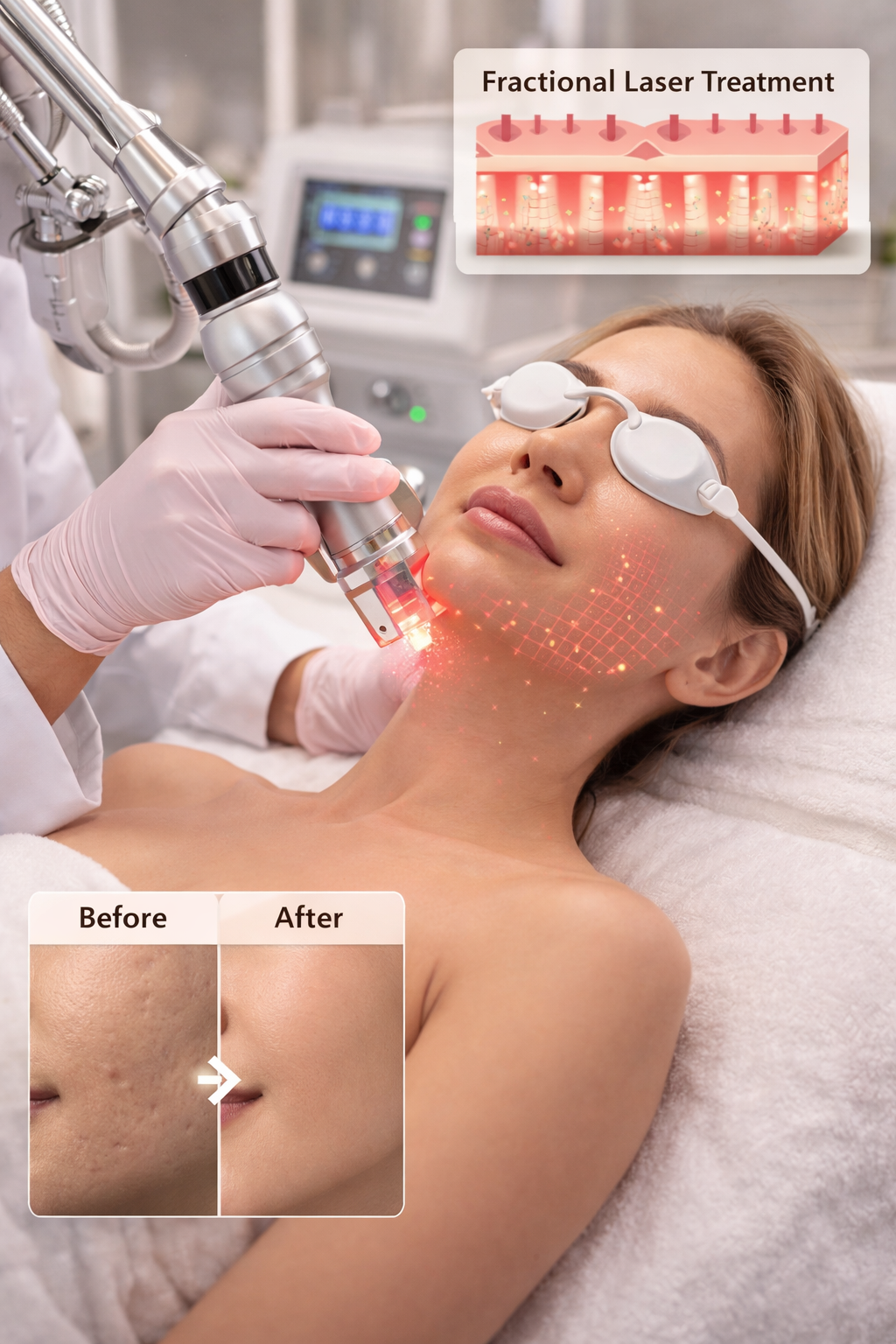
Skin resurfacing and scar treatments with CO2 Fractional are commonly used in aesthetic medicine to help improve the appearance of scars and uneven skin texture. This procedure utilizes fractional laser technology to deliver controlled energy into targeted areas of the skin.
By creating microscopic treatment zones, the process is designed to promote natural skin repair and collagen regeneration.
In the Philippine setting, this approach is often selected as a laser treatment for scars because it can be adjusted according to skin type, lifestyle factors, and environmental conditions, such as sun exposure
Who is the Ideal Candidate?
This treatment may be suitable for individuals with visible acne scars, surgical scars, textural irregularities, or early signs of skin aging.
As a facial treatment for scars, CO2 Fractional is generally recommended for patients who are in good health and have stable skin conditions.
A professional assessment is essential to determine candidacy, particularly for those with sensitive skin, active infections, or underlying medical concerns that may affect healing
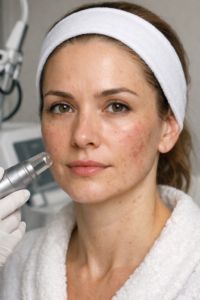
What Skin Concerns can be treated with CO2 Fractional Skin Resurfacing
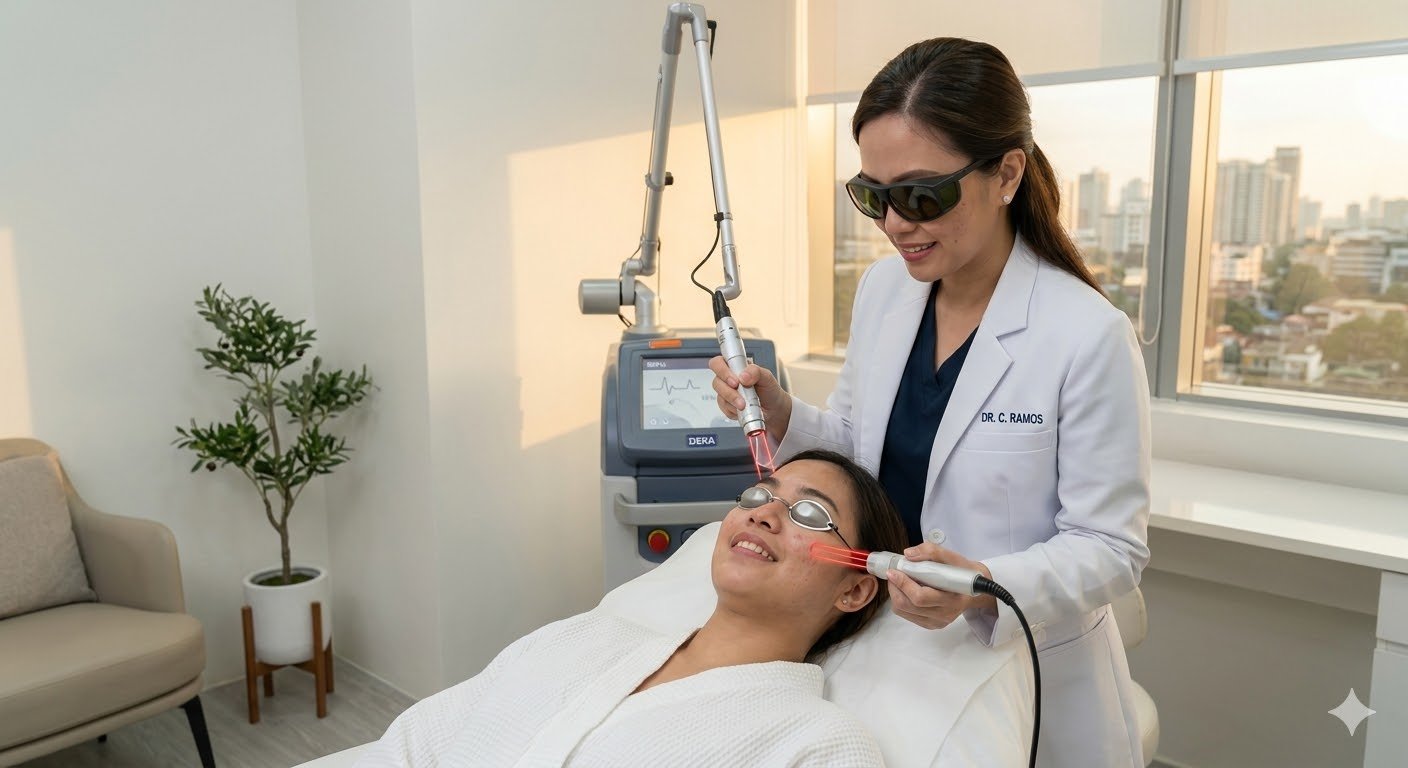
CO2 Fractional skin resurfacing may help address a range of concerns, including acne scars, rough skin texture, enlarged pores, and fine lines.
It is frequently considered a skin resurfacing laser treatment for patients who have not achieved sufficient improvement with topical or less intensive procedures. Due to its depth of penetration, it is often used as an acne scar laser treatment for more noticeable scarring.
Expected Results, Downtime, and Recovery
Results from skin resurfacing and scar treatments with CO2 Fractional develop progressively rather than immediately. Temporary redness, swelling, or peeling may occur following the procedure.
Downtime varies depending on treatment intensity and individual skin response. However, most patients experience visible recovery within several days. Continued improvement in skin texture and tone may occur over weeks as collagen remodeling takes place.
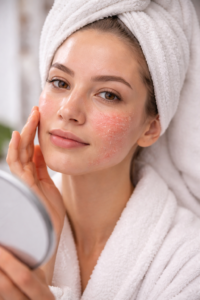
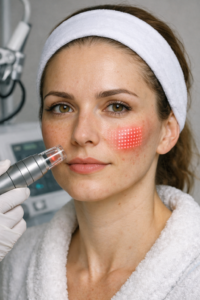
Medical Aesthetic Care, Safety, and Consultation for Skin Resurfacing and Scar Removal with CO2 Fractional
Medical aesthetic care is essential for safe and appropriate treatment outcomes.
At Idara Aesthetics, a detailed consultation is conducted to review medical history assess skin condition, and align treatment goals.
This step allows the practitioner to customize skin resurfacing and scar treatments with CO2 Fractional while prioritizing patient safety. Proper consultation also helps manage expectations and supports informed decision-making.
Why choose CO2 Fractional over other Skin Resurfacing Treatments
Compared to other modalities, CO2 fractional laser treatment is designed to reach deeper skin layers while preserving surrounding tissue.
Its fractional delivery allows targeted treatment rather than full-surface resurfacing, which may contribute to controlled healing and gradual results. This makes it a commonly selected option for patients seeking laser treatment scar removal with medical supervision.

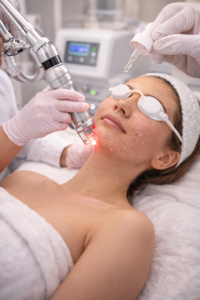
Treatment Experience and Aftercare
The treatment session typically includes standard facial cleansing, application of topical anesthesia, skin preparation, delivery of the CO2 Fractional laser, and application of a post-laser serum.
During the procedure, patients may experience warmth or mild discomfort. Aftercare focuses on gentle skincare, sun protection, and following post-procedure instructions to support recovery.
Results Timeline and Maintenance
Initial skin changes may be noticeable after the healing phase, with continued improvement developing over the following months. Maintenance sessions and consistent skincare routines may help support long-term results.
Patients considering CO2 Fractional laser treatment in the Philippines benefit from follow-up care at Idara Aesthetics, where ongoing guidance supports skin health and treatment continuity.